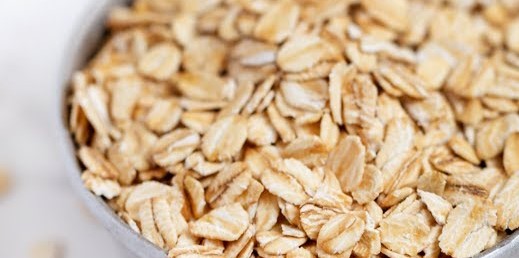
The word cereal is derived from ceres, the Roman Goddess of grain. The common cereal crops are rice, wheat, corn, oats and rye. The term cereal is not limited to these but also flours, meals, breads and alimentary pastes or pasta. Cereal science is a study concerned with all technical aspects of cereal. It is the study the nature of the cereals and the changes that occurs naturally and as a result of handling and processing.
Showing posts with label β-glucan. Show all posts

Thursday, October 03, 2024

Health Benefits of Beta-Glucans in Barley: Heart, Blood Sugar, and Immune Support

Beta-glucans are a type of soluble fiber predominantly found in barley, recognized for their numerous health benefits. These polysaccharides are embedded in the cell walls of barley grains and have a profound impact on cardiovascular health by lowering LDL cholesterol, commonly referred to as "bad" cholesterol. When consumed, beta-glucans form a gel-like substance in the digestive system. This gel traps cholesterol and slows its absorption, preventing it from entering the bloodstream. In turn, this action helps reduce overall cholesterol levels, particularly LDL cholesterol, which is a major risk factor for heart disease. This mechanism also benefits individuals with metabolic conditions, as it helps stabilize blood sugar levels by slowing the absorption of glucose. For people with type 2 diabetes or those at risk, consuming barley with beta-glucans can contribute to better glycemic control, minimizing dangerous blood sugar spikes after meals.

Furthermore, beta-glucans offer more than just heart health advantages. They have been found to enhance the immune system by activating key immune cells, such as macrophages and natural killer cells, which are essential for detecting and eliminating pathogens. These immune cells play a crucial role in protecting the body from infections, and their activation by beta-glucans boosts the body’s natural defense mechanisms. This immune-modulating effect can make individuals more resilient to illnesses, potentially reducing the frequency of common infections like colds or more serious conditions.
Incorporating barley into daily meals is an effective way to benefit from its beta-glucan content. Barley is a versatile grain that can be easily added to a variety of dishes, such as soups, stews, and salads. Both hulled and pearled barley varieties are rich in beta-glucans, though hulled barley is considered nutritionally superior since it retains more of the grain’s natural nutrients. For individuals looking for whole-food alternatives to manage cholesterol, regulate blood sugar, or support immune function, barley serves as a nutritious and accessible option.

In summary, the inclusion of beta-glucans from barley in the diet can provide substantial health benefits, particularly for heart health, blood sugar management, and immune system support. With its wide range of uses in cooking and its powerful effects on wellness, barley stands out as a beneficial food for promoting long-term health.
Health Benefits of Beta-Glucans in Barley: Heart, Blood Sugar, and Immune Support

Tuesday, June 04, 2024

Health Benefits of Oats: The Role of Beta-Glucan

Oats, a popular whole grain, are renowned for their health benefits, largely attributed to their dietary fiber and beta-glucan content. Beta-glucan, a type of soluble fiber found in oats, plays a crucial role in their health-promoting properties. Oat products are often characterized based on their beta-glucan content, which typically constitutes around 4% of wholegrain de-hulled oats.

Beta-glucan has a significant impact on carbohydrate and lipid metabolism. It slows the digestion and absorption of carbohydrates, leading to more stable blood sugar levels, making it particularly beneficial for individuals with diabetes. By modulating glucose metabolism, beta-glucan helps in maintaining insulin sensitivity and reduces the risk of type 2 diabetes.

Additionally, beta-glucan is effective in lowering serum cholesterol levels. It binds to bile acids in the intestine, promoting their excretion and reducing overall cholesterol absorption. This mechanism helps in lowering LDL (low-density lipoprotein) cholesterol, which is often referred to as "bad" cholesterol, thereby reducing the risk of cardiovascular diseases.

Recent studies have also highlighted the role of beta-glucan in supporting gut health by promoting the growth of beneficial gut bacteria. This prebiotic effect further underscores the multifaceted health benefits of incorporating oats into the diet. In summary, the dietary fiber and beta-glucan content of oats are central to their role in promoting metabolic health and preventing chronic diseases.
Health Benefits of Oats: The Role of Beta-Glucan

Tuesday, November 16, 2021

β-glucan in barley

It is thought that barley cultivation began 8000–10 000 years ago in the ‘Fertile Crescent’ of the Middle East and thus barley has been considered to be one of the founding crops of Old World agriculture.

The active ingredient thought to provide barley its health benefits is β-glucan. β-Glucan is a plant cell wall polysaccharide that is found in a range of tissues in barley including the grain, where it constitutes approximately 70% dry weight (w/w) of endosperm primary cell walls.

β-Glucan is a type of soluble fiber, linear homopolysaccharides composed of D-glucopyranosyl residues linked via a combination of β-(1→4) and β-(1→3) linkages.
This polysaccharide accumulates throughout barley endosperm development. β-glucans are predominantly found in the internal aleurone and subaleurone cell walls. The content of β-glucan varies with environmental conditions during endosperm development and is regulated by (1 → 3,1 → 4)-β-glucan endohydrolase to facilitate endosperm cell-wall degradation during germination.

Of cereal grains, oats and barley contain the highest level of β-glucan at 3–7 and 3–11% (dry weight basis), respectively.

Its beneficial role in insulin resistance, dyslipidemia, hypertension, and obesity is being continuously documented. The fermentability of β-glucans and their ability to form highly viscous solutions in the human gut may constitute the basis of their health benefits. Among the dietary fiber sources, cereal β-glucans have been shown to be one of the most effective fiber types to prevent type 2 diabetes and cardiovascular diseases.
β-glucan in barley

Friday, June 11, 2021

Oat flour

Oat (Avena sativa L.) is unique among the cereals due to its richness in nutritional components and multifunctional characteristics. It has been reported to be a good source of dietary fiber especially β-glucan, minerals, proteins and other nutrients.

It is proven that β-glucan can reduce the risk of coronary heart disease, cholesterol and type 2 diabetes. The required dose for such effects is 0.75 g β-glucan per serving.

Oats contain many essential amino acids (methionine, cysteine, threonine, isoleucine, tryptophan, valine, leucine, histidine, methionine, phenylalanine, and tyrosine) necessary for human body, and high antioxidant activity components such as tocopherols, tocotrienols, and flavonoids.

Oat flour is made by grinding oatmeal on stones and sifting out the fine material. The fines streams from groat cutting and flaking typically end up in the oat flour stream. Grinding is usually accomplished by hammermills, but pin-mills and other types of size reduction equipment are also used alone or in sequence.

The most important characteristic of oat flour is high content of fibers, especially β-glucan, which reduces the level of cholesterol in the blood by increasing the secretion of bile in the body. Many studies recommended using oat flour as a source of dietary fiber in various products such as bread and biscuits.

Oat flour is a major component of infant foods. Additionally, oat flour is used as a thickener in many commercial infant foods. There are several important considerations for selecting oat ingredients for this use; they include lack of allergenicity, good flavor compatibility, high nutritive value, and excellent shelf life and stability.
Oat flour

Friday, February 26, 2021

β-glucan in cereals

Cereal grains produce a one seeded dry fruit called a caryopsis, more commonly called kernel or grain. Nutritionally these grains are a good source of carbohydrates, lipids, proteins, vitamins, minerals, and other minor components.

Cereal β-glucans are dietary fibers primarily found in oats and barley, and have several positive effects on health.

Cereal β-glucans have a specific combination of β-(1→4) and β-(1→3) linkages into linear long-chain polysaccharides of high molecular weight. Chemically cereal β-glucan differs from yeast β-glucan in having β-(1→4) and (1→3) linkages. Whereas yeast β-glucan having β-(1→3) and (1→6) linkage that may provide it better immune boosting properties.

Due to their particular structure, cereal β-glucans generate viscosity within the intestinal tract, which is thought to be the main mechanism of action responsible for their positive health effects.

β-glucans are soluble fibers with physiological functions, such as, interference with absorption of sugars and reduction of serum lipid levels.

They are taken as herbal medicines, to prevent and treat cancer, lower cholesterol, human immunodeficiency virus (HIV), and diabetes, and to increase the immune system function.

β-glucan is the predominant non-starch polysaccharide of cell walls in cereal grains such as barley and oats. β-Glucan as well as several other viscous plant polysaccharides (e.g., guar, locust bean, and pectin), display physiological effects that are typically attributed to a decrease in postprandial glucose levels in the serum.

Cereal β-glucans are naturally present in oat and barley, each containing around 4.5% β-glucans.
β-glucan in cereals

Monday, October 19, 2020

Barley: Excellent source of fiber

Barley (Hordeum vulgare L.) is the fourth most important cereal crop, after maize, wheat and rice. Barley has been cultivated for at least 8,000 years. It is believed by most, though not all archeologists to have been first cultivated in the Fertile Crescent, an area that includes parts or all of what is presently Iraq, Iran, Israel, Syria and Turkey.

Barley is known to be a rich source of ß-glucan soluble fiber. While most other grains have lower fiber in the endosperm than the whole grain, the soluble ß-glucan in barley endosperm is comparable to that of whole grain. Whole barley grain consists 4% to 9% B-glucan.

There is strong evidence that barley β-glucans can lower blood cholesterol levels, thereby reducing the risk of coronary heart disease. Both Canada and the U.S. allow manufacturers to make a heart-health claim for foods containing barley. Fiber content Β-glucan also has been shown related to weight reduction, decreasing blood pressure, and blood glucose in Type 2 diabetes and preventing colon cancer.

Besides its high level of β-glucan soluble fiber, barley is an excellent source of insoluble fibre important in maintaining digestive health and also protecting against colon cancer.

Total dietary fiber ranges from 11% to 34% and soluble dietary fiber from 3% to 20%. Hull-less or de-hulled barley grain contains 11% to 20% total dietary fiber, 11% to 14% insoluble dietary fiber and 3% to 10% soluble dietary fiber.
Barley: Excellent source of fiber

Monday, July 06, 2020

Oats cholesterol lowering effect

Compared with other cereals, oats have higher concentrations of certain nutrients and phytochemicals (e.g., essential amino acids and fatty acids, β-glucan and phenolic compounds).

Among the benefits of oats in the diet, is the value that they have in lowering cholesterol, are soothing to the digestive process.

Diets high in soluble fibres (pectin, glucan, gums, psyllium) have been shown to decrease both total and LDL cholesterol levels. In clinical studies the effect varies from 0% to 18% dependent upon the type of soluble fibre, dosage, background diet and dietary control.

The first study to reveal that oat consumption reduced plasma cholesterol levels goes back to 1963. By enriching bread with rolled oat, the authors observed an 11% reduction in total cholesterol levels. Since then a multitude of in vivo and in vitro investigations have been conducted to understand the reasons behind this positive effect.

Oat β-glucan, the main soluble fibre found in oats, is seen as the main active component responsible for their cholesterol-lowering effect. Health claims regarding the association between cholesterol lowering and soluble fibre from oat products/ oat β-glucan have been approved by food standards agencies worldwide.

β-glucan is a water soluble fibre found in cereals grains, particularly oats and barley and is well known for its cholesterol-lowering ability. It is thought that there may be a number of mechanisms but the main one that is usually cited is the disruption of the enterohepatic circulation.
Oats cholesterol lowering effect

Friday, August 16, 2019

Cholesterol-lowering effects of oat β-glucan

Several soluble polysaccharides have been shown to have cholesterol-lowering properties and to have a role in prevention of heart disease. Oats provide one of the richest sources of the dietary soluble fiber β -glucan, providing 5.0 g (oatmeal) to 7.2g (oat bran) per 100 g serving. Both are also valuable sources of total dietary fiber, which ranges from 9.9-14.9 g per 100 g serving. Oats have recently gained considerable interest as a rich source of β -glucan with cholesterol-lowering properties.

 In March 1995, the Quaker Oats company submitted a petition to the FDA stating that consumption of whole oat products (oats, oat bran, and oat flour) decreases total cholesterol and LDL cholesterol concentrations and reduces the risk of CHD.

In February 2003 Creanutrition and its parent company Swedish Oat Fiber submitted a scientific dossier for oat β -glucan and blood cholesterol to the JHCI in the United Kingdom. In May 2004, the JHCI approved a generic health claim for oat β -glucan and blood cholesterol based on the totality of the evidence. The health claim states that the inclusion of at least 3 g/day of oat β-glucan as part of a diet low in saturated fat and a healthy lifestyle can help reduce blood cholesterol.

The benefits for lowering lipids with oats and oat-based products have been reported in animal and human studies. Oat gum soluble fibre has been reported to exert a greater hypocholesterolaemic effect than several other fibers tested and found to be similar to that of cholestyramine.

According to the study, soluble fiber from oat products, psyllium, pectin, and guar gum each significantly lowered total cholesterol. One gram of soluble fiber from oats, psyllium, pectin, or guar gum produced changes in total cholesterol of -0.037, -0.028, -0.070, and -0.026 mmol/L (-1.42, -1.10, -2.69, and -1.13mg/dL), respectively, and in LDL cholesterol of -0.032, -0.029, -0.055, and -0.033 mmol/L (-1.23, -1.11, -1.96, and -1.20 mg/dL), respectively. (The American Journal of Clinical Nutrition, Volume 69, Issue 1, 1 January 1999, Pages 30–42).

 A number of studies indicate that β -glucan is the major active cholesterol-reducing component of oats. When β -glucans are fed in a dose-dependent manner, significantly greater reductions in blood cholesterol are observed as β -glucan content increases. Furthermore, treatment of oats with enzymes that destroy β -glucan results in a loss of cholesterol-lowering potential of oats.
Cholesterol-lowering effects of oat β-glucan

Thursday, January 14, 2016

Fibre components in barley

Barley is a great choice for health-conscious consumers who care about where their of food comes from.

As one of the first domesticated grains, barley was major source of fibre and nutrients in the human diet.

Barley fibre provides a unique balance of soluble and insoluble fibres distributed throughout the a mature seed. A barley seeds produces fibre in the hull, pericarp, and the cell walls of the aleurone and starchy endosperm.

Fibre from these anatomical sources differs in composition. Barley products may improve glycemic control in diabetic populations. Barley breads improved glycemic response in fifteen patients with well-controlled type 2 diabetes.

As indicates by Agriculture and Agri-Food Canada indicates that the daily consumption of three grams of barley beta-glucan, a type of soluble fibre assiststs in lowering cholesterol, which is a risk factor for heart disease.

According to Health Canada’s specifications for claims made on food labels, foods containing a minima of one gam of beta-glucan from barley grain products can be said to meet 35& of the daily requirements.

In 2006, barley join oats in an improved health claim for reducing the risk of cardiovascular disease (FDA 2006). Soluble finer as found in barley has proven effective in reducing cardiovascular risk by reducing serum cholesterol when consumed regally and in small but adequate amounts.
Fibre components in barley

The Most Popular Posts

BannerFans.com