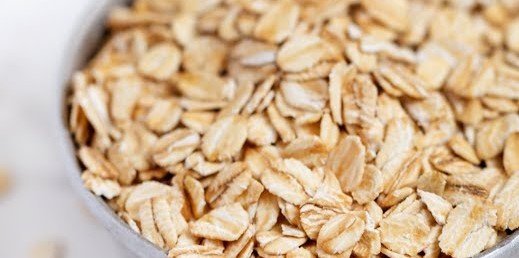
The word cereal is derived from ceres, the Roman Goddess of grain. The common cereal crops are rice, wheat, corn, oats and rye. The term cereal is not limited to these but also flours, meals, breads and alimentary pastes or pasta. Cereal science is a study concerned with all technical aspects of cereal. It is the study the nature of the cereals and the changes that occurs naturally and as a result of handling and processing.
Showing posts with label oats. Show all posts

Sunday, November 09, 2025

The Nutritional and Environmental Power of Oats

Oat bran and whole grain oat products are more than just hearty breakfast options—they are nutritious, versatile, and affordable foods that deliver remarkable health benefits. Rich in complex carbohydrates, oats provide long-lasting energy and have been linked to a lower risk of several major diseases, including colon, breast, and prostate cancer. Their high fiber content also promotes digestive health, helping to prevent constipation and support a healthy gut. For individuals with diabetes, oats are particularly valuable, as they help stabilize blood sugar levels and improve insulin sensitivity.

Nutritionally, oats stand out among grains. On a per-gram basis, they contain more protein, calcium, iron, magnesium, zinc, copper, manganese, thiamin, folate, and vitamin E than most unfortified grains such as wheat, barley, corn, or rice. Oats are especially high in vitamin B1 (thiamin), an essential nutrient for carbohydrate metabolism and energy production. This makes them an ideal food for maintaining vitality and supporting the body’s daily energy needs.

One of the most notable nutrients in oats is manganese, sometimes called the “memory mineral.” Manganese supports cognitive function, aids in glucose regulation, and contributes to the body’s antioxidant defenses. Recent studies have suggested that adequate manganese intake may enhance memory and mental clarity, highlighting yet another reason oats are a smart dietary choice—particularly for people managing diabetes or seeking to maintain brain health as they age.

Beyond their nutritional advantages, oats offer environmental benefits that appeal to sustainability-minded consumers. Oats require less water and fewer pesticides than many other cereal crops, making them a low-impact, eco-friendly grain. As demand for sustainable foods grows, oats are emerging as a preferred option for both health and environmental reasons.

Incorporating oats into your diet is simple and rewarding. Whether enjoyed as oatmeal, added to smoothies, baked into bread and muffins, or used in savory dishes, oats provide a powerful combination of taste, nutrition, and sustainability—helping you stay healthy while caring for the planet.
The Nutritional and Environmental Power of Oats

Sunday, October 20, 2024

Health Benefits of Oats: A Nutrient-Rich Superfood

Avena sativa, commonly known as oats, is a highly nutritious cereal grain that offers a wide range of health benefits. One of the most important nutrients found in oats is beta-glucan, a type of soluble fiber. Beta-glucan is particularly renowned for its ability to lower cholesterol levels, which significantly reduces the risk of heart disease. This fiber forms a gel-like substance in the digestive tract, where it binds to cholesterol-rich bile acids and facilitates their removal from the body. This process effectively lowers LDL (bad) cholesterol levels, reducing arterial plaque buildup, thus supporting heart health. Additionally, beta-glucan has been linked to improved blood sugar control, making oats an excellent choice for people managing diabetes or those looking to prevent it.

In addition to its fiber content, oats are an excellent source of protein, offering essential amino acids that the body cannot produce on its own. These amino acids are crucial for muscle repair and growth, particularly for those who engage in regular physical activity or those recovering from injury. Oats provide a balanced macronutrient profile that can support muscle maintenance and overall metabolic function.

Oats are also rich in vitamins and minerals, including manganese, phosphorus, magnesium, copper, iron, zinc, folate, and vitamins B1 (thiamine) and B5 (pantothenic acid). Manganese, for instance, is vital for bone formation, while magnesium plays a key role in regulating muscle and nerve function. The B vitamins are essential for energy production, supporting the metabolism of carbohydrates, proteins, and fats. These nutrients together promote bone health, immune function, and energy levels, making oats a well-rounded dietary choice.

Another notable component of oats is the presence of antioxidants like avenanthramides, which have anti-inflammatory properties. Avenanthramides help reduce oxidative stress, improve blood circulation, and lower blood pressure, contributing to cardiovascular health. With this rich nutritional profile, oats can be easily incorporated into daily meals, from breakfast to baking, ensuring versatile, heart-healthy options for all diets.
Health Benefits of Oats: A Nutrient-Rich Superfood

Sunday, July 28, 2024

The Comprehensive Milling Process of Nutrient-Rich Oats

The unique milling process for oats not only ensures superior quality but also preserves their nutritional benefits. At harvest time, oats are sourced from a select panel of registered local growers. They are carefully dried and stored safely until needed. The milling process involves five distinct stages:
  1. Cleaning, drying, and grading: Initial cleaning removes impurities, while drying and grading ensure the oats meet quality standards.
  2. Dehulling and cleaning: The hulls are removed, and the oats are cleaned again to eliminate any remaining impurities.
  3. Groats to pinhead: The cleaned oats are cut into smaller pieces, known as pinheads, facilitating further processing.
  4. Pinhead to oatlets: Pinheads are further processed into smaller, more uniform oatlets, which are easier to cook and use in various products.
  5. Packaging and distribution: Finally, the oatlets are packaged in moisture-resistant containers and distributed to ensure they reach consumers in optimal condition.
This meticulous process guarantees high-quality oats, which are rich in dietary fiber, essential vitamins, and minerals. These nutrients contribute to heart health, improved digestion, and sustained energy levels, making oats a valuable addition to a balanced diet.
The Comprehensive Milling Process of Nutrient-Rich Oats

Wednesday, July 10, 2024

From Ancient Cultivation to Modern Staple: The Journey of Oats

Oats, one of the first cereals cultivated by humans, have a rich history dating back to ancient China around 7000 BC. The Greeks are credited with being the first to prepare porridge from oats. However, it was the Romans who spread oats across Western Europe and named them "cereals" after Ceres, the Roman goddess of agriculture.

Today, numerous varieties of oats have evolved from the original Asian wild grass, Avena fatua. The highest quality oats thrive in regions with light, fertile soil, temperate climates, and annual rainfall exceeding 60 cm (24 inches). Oat grains are typically sown in the winter and ripened under the summer sun, with harvesting occurring in autumn once the grains are fully mature.

Oats can be easily distinguished from other grain crops such as wheat and barley by their unique appearance. The grains cluster in formations known as "panicles" on tall, graceful stems, typically reaching about 90 cm (3 feet) in height. Each stem generally bears around twenty to twenty-five grains. These panicles usually contain two or three grains each, each encased in an outer husk that provides protection until the grains reach the mill.

The harvested oat grains are then used to produce oatmeal and various oat-based products. Oats are valued not only for their nutritional benefits, including high fiber content and heart-healthy properties, but also for their versatility in culinary applications. From traditional porridge to modern oat-based snacks and beverages, oats have maintained their status as a staple in diets worldwide.

Recent advancements in agricultural technology have further optimized oat cultivation, ensuring higher yields and better quality grains. The growing awareness of the health benefits of oats has spurred an increase in their consumption, making them an essential component of healthy diets globally. As a result, oats continue to play a significant role in both historical and contemporary food landscapes.
From Ancient Cultivation to Modern Staple: The Journey of Oats

Tuesday, June 04, 2024

Health Benefits of Oats: The Role of Beta-Glucan

Oats, a popular whole grain, are renowned for their health benefits, largely attributed to their dietary fiber and beta-glucan content. Beta-glucan, a type of soluble fiber found in oats, plays a crucial role in their health-promoting properties. Oat products are often characterized based on their beta-glucan content, which typically constitutes around 4% of wholegrain de-hulled oats.

Beta-glucan has a significant impact on carbohydrate and lipid metabolism. It slows the digestion and absorption of carbohydrates, leading to more stable blood sugar levels, making it particularly beneficial for individuals with diabetes. By modulating glucose metabolism, beta-glucan helps in maintaining insulin sensitivity and reduces the risk of type 2 diabetes.

Additionally, beta-glucan is effective in lowering serum cholesterol levels. It binds to bile acids in the intestine, promoting their excretion and reducing overall cholesterol absorption. This mechanism helps in lowering LDL (low-density lipoprotein) cholesterol, which is often referred to as "bad" cholesterol, thereby reducing the risk of cardiovascular diseases.

Recent studies have also highlighted the role of beta-glucan in supporting gut health by promoting the growth of beneficial gut bacteria. This prebiotic effect further underscores the multifaceted health benefits of incorporating oats into the diet. In summary, the dietary fiber and beta-glucan content of oats are central to their role in promoting metabolic health and preventing chronic diseases.
Health Benefits of Oats: The Role of Beta-Glucan

Monday, May 20, 2024

Exploring the Varieties and Benefits of Oats

Oats are available in several forms, each suited to different culinary uses and nutritional needs. Initially, oats are harvested with hulls that must be removed before they can be consumed by humans. The most unprocessed form after hull removal is oat groats, which retain the whole seed and have a texture more akin to cooked wheat or rice than traditional oatmeal. These groats are ideal for a hearty hot cereal and provide a robust, chewy texture.

Rolled oats, the most familiar breakfast variety, are oat groats that have been steamed and flattened. This process reduces cooking time and makes them a convenient option for quick, nutritious meals. Steel-cut oats, in contrast, are groats chopped into pieces, offering a coarser texture and a longer cooking time, but a richer flavor.

Quick oats are essentially rolled oats that have been cut into smaller pieces, further reducing their cooking time. Instant oats take convenience a step further, being pre-cooked, dried, and then flattened. This makes them the fastest cooking option, perfect for busy mornings.

The finest form of oats is oat flour, which is used in baking to add nutritional value and a mild, sweet flavor to cookies, breads, and other baked goods. Oats are a versatile and popular ingredient in granola and various breakfast foods, valued for their health benefits, including high fiber content and essential nutrients.
Exploring the Varieties and Benefits of Oats

Friday, May 03, 2024

The Rise of Oats: From Animal Feed to Human Superfood

Oats, a crop of Mediterranean origin, though not as ancient as wheat or barley, boasts a rich history dating back thousands of years. Initially cultivated over 5,000 years ago, oats were predominantly reserved for livestock consumption. These field grains are typically harvested in early summer, providing a valuable source of nutrition for farm animals.

However, in modern times, oats have undergone a remarkable transformation. While they remain a staple in animal feed, their emergence as a popular human food has been revolutionary. Today, oats are predominantly recognized for their role in breakfast cereals and various culinary creations. One of the key attributes driving this shift is oats' exceptionally high level of soluble fiber, surpassing that found in most other grains.

Moreover, oats offer a plethora of health benefits when incorporated into the human diet. They are renowned for their cholesterol-lowering properties and are known to be soothing to the digestive system. These qualities have positioned oats as a sought-after component of balanced and healthy eating habits.

Recent studies underscore oats' nutritional prowess, highlighting their role in heart health and overall well-being. As consumer preferences increasingly lean towards nutritious and sustainable food choices, oats have emerged as a versatile and nutrient-packed ingredient, transcending their historical role as mere animal fodder to become a celebrated superfood in human nutrition.
The Rise of Oats: From Animal Feed to Human Superfood

Wednesday, June 30, 2021

Steel-cut oats and rolled oats

*Steel cut oats are whole oat grains (also called “groats”) that have been cut without being processed or cooked first into 2-3 pieces by sharp metal blades. Steel cut oats are a favorite fiber-rich, filling breakfast food to start off the day. Steel cut oats can be used as a hot breakfast cereal, baked into breads, or as a tasty risotto.

Steel cut oats are not preprocessed and that makes them a stronger prebiotic. Prebiotics help beneficial “good guy” bacteria in human gut and keep human healthy by reducing inflammation throughout the body. In addition, because of their higher soluble fiber content, steel cut oats keep feel full longer and help to lower triglycerides and LDL cholesterol.

Cooking time is about 20 to 30 minutes. The larger the size of the pieces, the longer they will take to cook. They will have a chewy texture.

*Rolled oats, also called old-fashioned rolled oats, are hulled (outer skin removed), cooked (either or both steamed and/or toasted) and then rolled flat, which makes them easier to cook but at the expense of some nutrients and other factors.

There are soft, fluffy texture when cooked and cooking time is about 5-7 minutes.
Steel-cut oats and rolled oats

Friday, June 11, 2021

Oat flour

Oat (Avena sativa L.) is unique among the cereals due to its richness in nutritional components and multifunctional characteristics. It has been reported to be a good source of dietary fiber especially β-glucan, minerals, proteins and other nutrients.

It is proven that β-glucan can reduce the risk of coronary heart disease, cholesterol and type 2 diabetes. The required dose for such effects is 0.75 g β-glucan per serving.

Oats contain many essential amino acids (methionine, cysteine, threonine, isoleucine, tryptophan, valine, leucine, histidine, methionine, phenylalanine, and tyrosine) necessary for human body, and high antioxidant activity components such as tocopherols, tocotrienols, and flavonoids.

Oat flour is made by grinding oatmeal on stones and sifting out the fine material. The fines streams from groat cutting and flaking typically end up in the oat flour stream. Grinding is usually accomplished by hammermills, but pin-mills and other types of size reduction equipment are also used alone or in sequence.

The most important characteristic of oat flour is high content of fibers, especially β-glucan, which reduces the level of cholesterol in the blood by increasing the secretion of bile in the body. Many studies recommended using oat flour as a source of dietary fiber in various products such as bread and biscuits.

Oat flour is a major component of infant foods. Additionally, oat flour is used as a thickener in many commercial infant foods. There are several important considerations for selecting oat ingredients for this use; they include lack of allergenicity, good flavor compatibility, high nutritive value, and excellent shelf life and stability.
Oat flour

Wednesday, May 05, 2021

Avenin in oats

Prolamins are known as gliadin in wheat, hordein in barley, secalin in rye and avenin in oats. Avenin in oats, which is a protein similar to gluten but safer for most people with celiac disease.

The avenin which makes up 10 - 15% of the total seed protein content of oats, in contrast to wheat, in which prolamins represent 80% of the total seed protein content.

Avenins, like the prolamins of other cereals, are highly polymorphic, both within and between genotypes.

The avenins in the genus Avena are free of the known celiac disease immunogenic epitopes from wheat, barley, and rye. The proline content in avenins is also less than that found in gliadins, secalins, and hordeins. Avenins are also more easily digested by gastrointestinal proteases, which is in contrast to gliadins, secalins, and hordeins.
Avenin in oats

Wednesday, November 25, 2020

Oats for animal feed

Oats is lower in energy and more bulky than other common feed grains since it threshes with the hull intact. Oats rank around sixth in the world cereal production statistics following wheat, maize rice, barley and sorghum. Oat grain has always been an important form of livestock feed.

Oats can be used for both ruminants and monogastric animals. Oats are suited for the feeding of pets, such as cats and dogs, and game animals, and can be added to animal feeds as a cereal ingredient.

Oats is an ideal grain for starting cattle on feed because of its high hull and fiber content. Some oat varieties are used in the form of green feed or hay. It has been shown that oat produces more forage dry matter yield than most of the other cereal crops.

Many experienced cattlemen prefer to start weaned calves on oats as the only or major grain, gradually shifting over to higher-energy grains as the animals become adapted to grain consumption.

The fat content of oats increases their energy content, which is an important attribute in horse feeds. Oats consumed as feed in the US are becoming a specialty feed for race horses, hobby farmers and breeding stock. The leading exporters of oat grain are Canada, Finland, Sweden Australia, and Argentina.

In pet foods, oats prevent allergies and do not irritate the intestine. Oats improve fur shine, reduce diarrhea, and are well suited for the prevention of gluten absorption disorders.
Oats for animal feed


Wednesday, November 04, 2020

Fiber rich oats

The oats belong to the family of poaceae and is commonly known as Avena Sativa. Oats are generally regarded as a minor cereal crop when considered in terms of grain produced annually, or areas sown for production. It is a staple crop of Germany, Ireland, Scotland, and the Scandinavian countries.

Oats have been used as livestock and human foods since ancient times. Oats is a class of cereal grain essentially grown for human consumption as well as for livestock fodder.

Oat grout or whole grain (after removal of hull) contain all three parts of the grain – the germ, endosperm and bran, rich in all valuable nutrients and this grain has recently attracted many research and commercial attention mainly due to its high nutritional value. Oats along with soluble fiber β -glucan are rich in lipids, protein, B vitamins, minerals, antioxidant vitamin E, phytic acid, phenolic acid and avenantramides.

Total carbohydrate content (including cellulose and non-starch polysaccharides) may reach 75-80% of the dry matter. Oats is an excellent sources of different dietary fiber components of mixed-linkage (1→3), (1→4)-β-D-glucan arabinoxylans and cellulose. It achieves high viscosities at relatively low concentrations and is of particular importance in human nutrition.

Population studies suggest that diet rich in oats or other foods containing soluble fiber has been linked in lowering elevated blood cholesterol, triglyceride, and glucose levels. Soluble fiber in oats are found to be associated with lower levels of blood pressure or rates of coronary disease.

Oat or oat fiber consumption has been shown to reduce postprandial glucose and insulin concentrations, and the reduction in insulin concentration may provide a mechanism by which blood pressure could be reduced in response to oats consumption.

Oats also good sources of insoluble fiber functions as a water-holding-capacity agent and can reduce intestinal transit time when present in adequate amounts in food.

In the year 1997, USFDA approved the use of a health claim “3g/day of oat β-glucan may help lower blood total and low-density lipoprotein (LDL-C) cholesterol”.
Fiber rich oats


Monday, July 06, 2020

Oats cholesterol lowering effect

Compared with other cereals, oats have higher concentrations of certain nutrients and phytochemicals (e.g., essential amino acids and fatty acids, β-glucan and phenolic compounds).

Among the benefits of oats in the diet, is the value that they have in lowering cholesterol, are soothing to the digestive process.

Diets high in soluble fibres (pectin, glucan, gums, psyllium) have been shown to decrease both total and LDL cholesterol levels. In clinical studies the effect varies from 0% to 18% dependent upon the type of soluble fibre, dosage, background diet and dietary control.

The first study to reveal that oat consumption reduced plasma cholesterol levels goes back to 1963. By enriching bread with rolled oat, the authors observed an 11% reduction in total cholesterol levels. Since then a multitude of in vivo and in vitro investigations have been conducted to understand the reasons behind this positive effect.

Oat β-glucan, the main soluble fibre found in oats, is seen as the main active component responsible for their cholesterol-lowering effect. Health claims regarding the association between cholesterol lowering and soluble fibre from oat products/ oat β-glucan have been approved by food standards agencies worldwide.

β-glucan is a water soluble fibre found in cereals grains, particularly oats and barley and is well known for its cholesterol-lowering ability. It is thought that there may be a number of mechanisms but the main one that is usually cited is the disruption of the enterohepatic circulation.
Oats cholesterol lowering effect

Friday, August 16, 2019

Cholesterol-lowering effects of oat β-glucan

Several soluble polysaccharides have been shown to have cholesterol-lowering properties and to have a role in prevention of heart disease. Oats provide one of the richest sources of the dietary soluble fiber β -glucan, providing 5.0 g (oatmeal) to 7.2g (oat bran) per 100 g serving. Both are also valuable sources of total dietary fiber, which ranges from 9.9-14.9 g per 100 g serving. Oats have recently gained considerable interest as a rich source of β -glucan with cholesterol-lowering properties.

 In March 1995, the Quaker Oats company submitted a petition to the FDA stating that consumption of whole oat products (oats, oat bran, and oat flour) decreases total cholesterol and LDL cholesterol concentrations and reduces the risk of CHD.

In February 2003 Creanutrition and its parent company Swedish Oat Fiber submitted a scientific dossier for oat β -glucan and blood cholesterol to the JHCI in the United Kingdom. In May 2004, the JHCI approved a generic health claim for oat β -glucan and blood cholesterol based on the totality of the evidence. The health claim states that the inclusion of at least 3 g/day of oat β-glucan as part of a diet low in saturated fat and a healthy lifestyle can help reduce blood cholesterol.

The benefits for lowering lipids with oats and oat-based products have been reported in animal and human studies. Oat gum soluble fibre has been reported to exert a greater hypocholesterolaemic effect than several other fibers tested and found to be similar to that of cholestyramine.

According to the study, soluble fiber from oat products, psyllium, pectin, and guar gum each significantly lowered total cholesterol. One gram of soluble fiber from oats, psyllium, pectin, or guar gum produced changes in total cholesterol of -0.037, -0.028, -0.070, and -0.026 mmol/L (-1.42, -1.10, -2.69, and -1.13mg/dL), respectively, and in LDL cholesterol of -0.032, -0.029, -0.055, and -0.033 mmol/L (-1.23, -1.11, -1.96, and -1.20 mg/dL), respectively. (The American Journal of Clinical Nutrition, Volume 69, Issue 1, 1 January 1999, Pages 30–42).

 A number of studies indicate that β -glucan is the major active cholesterol-reducing component of oats. When β -glucans are fed in a dose-dependent manner, significantly greater reductions in blood cholesterol are observed as β -glucan content increases. Furthermore, treatment of oats with enzymes that destroy β -glucan results in a loss of cholesterol-lowering potential of oats.
Cholesterol-lowering effects of oat β-glucan

Friday, February 01, 2019

Oats production in Canada

Oats have a long and uncertain pedigree, being known since early historical times, for example to the ancient Greeks. Oats are grown in approximately 23 countries around the world. These are concentrated mainly in the northern hemisphere, but also in Australia and Argentina in the southern hemisphere.


Canada is the largest global oats exporter and has one of the largest oat-milling industries in the world, accounting for 15% of total global production and roughly 60% of global exports.

Oats are well suited for production under marginal environments (such as cool climates and soil with limiting nutrients) in comparison to other cereal crops. Western Canada is suited for oat production as many oat varieties flower and mature quickly in the short season conditions.

Production has increase in Manitoba and Saskatchewan since 1995. Both provinces have a closer proximity to the Midwestern US milling market.

The oats markets of Canada and the United States are more closely integrated than the markets of most other commodities.
Oats production in Canada

Friday, December 22, 2017

Oats breakfast cereals

The chief food use of oats is as a breakfast cereal. Hot cereals are made from oat groats, which may be “pan-toasted” and which are either flake or “steel-cut" to reduce the size and decrease the cooking time.

Oats groats as collected from the field do not have much flavor; what little flavor they do posses is not particularly appealing. Desirable flavor are developed by the wet and dry heating steps applied during processing.

Breakfast cereals are diverse in nature but may broadly be classified as uncooked and ready to eat. Uncooked breakfast cereals are typified by porridge, which traditionally is made from oatmeal or rolled oats.
Coarse oatmeal is not cooked during manufacture unless heated to inactivate lipases and requires considerable cooking. Rolled oats are partially cooked during manufacturing and require less domestic cooking.

Steel cut oats, which are also called Scotch oats or Irish oatmeal, are chewier, have more texture and are slower to cook.
Oats breakfast cereals

Thursday, April 07, 2016

Oats as animal feed

Canada, the USA, Russian Federation, China, Finland and Poland represent the top six countries for world oat production. Although demand has increased for oats as a human food, the largest portion of the United States oat crop is still used as livestock feed.

Oats have a unique nutritional value, particularly for animals which require feed having a relatively high level of good quality protein, but with lower energy content.

The level of protein in oats groats is higher than that in other cereals; moreover, the quality of oat protein, particularly the amino acid balance, surpasses that of the protein of other cereals.

Between 50% and 90% of the world oat production is used as animal feed for horses, cattle and sheep. Oats have been a preferred feed for animals such as horses and breeder show cattle which must be kept in good condition for a long period of time. Most horse owners prefer oats over other grains because their bulky hulls produce a loose mass that is easily digested.

For feeding to animals, oats are first ground or rolled. Rolled oats can provide 10% of the feed for calves, and is a good starter feed for pigs, although too expensive for other pigs.
Oats as animal feed

Saturday, February 13, 2016

History of oats in Middle East

Oats known today were probably cultivated from wild oats by farmers in the Middle East and Europe around 4500 years ago. Oats may have appeared as weeds in wheat and barley field in the Middle East.

Some archeologists determined that one of the first oat harvests was in the Middle Eastern region of the Mediterranean Sea, for reason of rich soil and ease of access to water for irrigation.

Some of the first evidence of oats was found in ancient Egypt. The history of oats is somewhat clouded because there are so many different species and subspecies, which makes identification of old remains very difficult.

Oats appear to have been domesticated from the world grasses native to the mountainous are running from the southern border of Turkey of the Soviet Union with Afghanistan. Oats are better able to withstand harsh growing conditions than wheat and barley. This made oats a valuable grain for feeding the poor who live in disadvantage regions.

The chief modern center of greatest variety of forms is in Asia Minor where most all subspecies are in contact with each other. Many feel that the area with the greatest diversity of types is most likely where a particular plant originated. Historians suggested that oat culture expanded to the north from its Asia Minor centre of origin as a weed mixture in cultivated emmer and einkorn, which are less adapted to northern latitudes than oats and died out while oats thrived in the new environment.
History of oats in Middle East

Wednesday, December 17, 2014

Oat and celiac disease

Celiac disease is an inherited trait: however its inheritance is complex and poorly understood.

The intestinal damage that occurs in celiac disease is associated with the abnormal immunological response and intolerance to certain protein fractions of cereals. Individual with celiac disease have a sensitivity to prolamin fractions of wheat (gliadin), rye (secalin) and barley (hordein).

The only treatment for celiac disease is a strict gluten free diet for life. Previously, oats were also included in the list of cereals causing symptoms in celiac patients.

Celiac disease is characterized by diarrhea, emaciation, aphthous stomatitis malabsorption.

Finnish celiac disease and dermatitis herpetiformis patients had been using oat-containing gluten-free diets since 1997 (Peraaho M. Oats can diversify a gluten-free diet in celiac disease and dermatitis herpetiformis. J Am Diet Assoc 104(7):1148-1150).

The researchers found that 1000 randomly selected members of the Celiac Society, 73% with celiac disease and 55% with dermatitis herpetiformis.

Since 1995, several additional studies published found no adverse effects associated with the regular consumption of moderate amounts of oats. These studies have shown that oats suitable for both adult and child patients.
Oats and celiac disease

Thursday, July 25, 2013

Oats during ancient times

Oat seed have been found on 4000 year old remains in Egypt, but these were probably from weeds and not from cultivated.

Oats were first cultivated in Switzerland and to a slight extent in Denmark. The oldest known cultivated oat remains were found in caves in Switzerland that date back to around 1000 BC.

Oats was known in the Bronze Age in Europe and Romans writers like Cato, Ovid and Cicero often refer to it. Marcus Tullius Cicero suggested its used for medicinal purpose.

Oats became important only during the Roman Iron Age. It was increasingly to the fore from the first century AD onward.

In ancient times, both Greeks and the Romans spurned oats in favor of wheat. During that times oat seeds often contaminated wheat and as the soil became exhausted the wheat grew less successfully and the oat became dominant since it required less fertile soil.

The Greeks and Romans also know how to appreciate oatmeal. They used to make a kind gruel which a thinner version of porridge tatty may be often drunk than eaten.

Pliny the Romans author said that Germans grow oats and that a ‘porridge’ made from oats is their staple diet.

Englishman once thought oats were fit only for horse feed, while Scottish have long favored oats as a sustaining cereal.

Scottish favorite an old fashioned breakfast of porridge oats. They shared their oatmeal with their border collies, collies and sheep dogs.

When oats arrived in the New World, Americans grew its primarily as horse feed – that is until two temperature developed a machine that could be easily cut it groats, or whole oats, into a steel-cut oatmeal for a palatable cereal.
Oats during ancient times

The Most Popular Posts

BannerFans.com