The word cereal is derived from ceres, the Roman Goddess of grain. The common cereal crops are rice, wheat, corn, oats and rye. The term cereal is not limited to these but also flours, meals, breads and alimentary pastes or pasta. Cereal science is a study concerned with all technical aspects of cereal. It is the study the nature of the cereals and the changes that occurs naturally and as a result of handling and processing.
Showing posts with label nutrient. Show all posts

Sunday, November 09, 2025

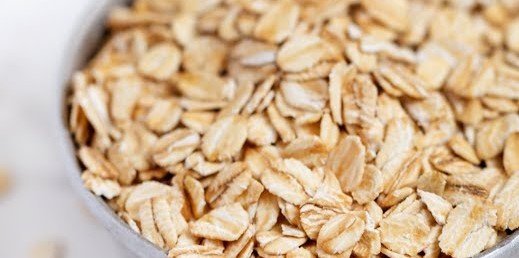
The Nutritional and Environmental Power of Oats

Oat bran and whole grain oat products are more than just hearty breakfast options—they are nutritious, versatile, and affordable foods that deliver remarkable health benefits. Rich in complex carbohydrates, oats provide long-lasting energy and have been linked to a lower risk of several major diseases, including colon, breast, and prostate cancer. Their high fiber content also promotes digestive health, helping to prevent constipation and support a healthy gut. For individuals with diabetes, oats are particularly valuable, as they help stabilize blood sugar levels and improve insulin sensitivity.

Nutritionally, oats stand out among grains. On a per-gram basis, they contain more protein, calcium, iron, magnesium, zinc, copper, manganese, thiamin, folate, and vitamin E than most unfortified grains such as wheat, barley, corn, or rice. Oats are especially high in vitamin B1 (thiamin), an essential nutrient for carbohydrate metabolism and energy production. This makes them an ideal food for maintaining vitality and supporting the body’s daily energy needs.

One of the most notable nutrients in oats is manganese, sometimes called the “memory mineral.” Manganese supports cognitive function, aids in glucose regulation, and contributes to the body’s antioxidant defenses. Recent studies have suggested that adequate manganese intake may enhance memory and mental clarity, highlighting yet another reason oats are a smart dietary choice—particularly for people managing diabetes or seeking to maintain brain health as they age.

Beyond their nutritional advantages, oats offer environmental benefits that appeal to sustainability-minded consumers. Oats require less water and fewer pesticides than many other cereal crops, making them a low-impact, eco-friendly grain. As demand for sustainable foods grows, oats are emerging as a preferred option for both health and environmental reasons.

Incorporating oats into your diet is simple and rewarding. Whether enjoyed as oatmeal, added to smoothies, baked into bread and muffins, or used in savory dishes, oats provide a powerful combination of taste, nutrition, and sustainability—helping you stay healthy while caring for the planet.
The Nutritional and Environmental Power of Oats

Wednesday, January 03, 2024

Bread: Nutrient-Rich and Diverse

Bread, a nourishing food abundant in starch and vital nutrients, is recommended in quantities of six slices per day as part of a daily diet. Despite the visual similarities among various breads, their ingredient compositions differ significantly, resulting in distinct nutrient profiles. Bread primarily crafted from whole-grain flours provides superior health advantages compared to those made from enriched, refined wheat flour.

Traditionally prepared from a blend of flour and water, bread comes in various forms such as sourdough, sweet bread, soda bread, and more. Among these, the only variable is the flour, and its nutritional value fluctuates based on the extraction rate or additional ingredients incorporated during milling.

The nutritional value of bread can be enriched by introducing elements like fat, milk, sugars, malt, fruits, and nuts. Despite variations in nutritional content among different bread types, it remains an energy-dense product owing to its carbohydrate content in the form of starch.

Whole wheat bread distinguishes itself as a rich source of vitamins and minerals, encompassing various B vitamins, manganese, folate, selenium, zinc, magnesium, calcium, iron, and vitamin D, all derived from the entirety of the wheat grain.

Bread serves as a vital energy source, contributing 20-30% of total energy requirements. With an average slice containing 70 calories, certain studies indicate successful weight loss in individuals following diets of 1,200 to 1,500 calories, with nearly half of the intake attributed to bread.

Regarding protein, bread boasts an approximate 8% protein content, supplying roughly 20% of individuals' protein needs. As a cost-effective protein source, it aids in appetite reduction, muscle mass increase, and bone health maintenance.

Bread is also a commendable source of dietary fiber and is devoid of cholesterol. "High fiber" breads may incorporate purified cellulose or more nutritious whole grains. The consumption of fiber aids in achieving a feeling of fullness and in managing blood sugar levels, proving advantageous for weight loss by establishing a calorie deficit.

The inclusion of whole grains in bread contributes to dietary fiber, known for its preventive effects on intestinal issues such as constipation, diverticulosis, and colon cancer. In summary, bread encompasses a diverse array of nutrients, making it a valuable element in maintaining a well-balanced diet.
Bread: Nutrient-Rich and Diverse

Monday, July 19, 2021

Nutrient in barley grain

Cultivated barley, Hordeum vulgare, is mainly grown for animal feed, for malting and brewing in the manufacture of beer and for distilling in whisky manufacture.

Studies have associated the regular consumption of barley with its potential to reduce the risk of certain diseases, such as chronic heart disease, colon cancer, high blood pressure and gallstones.

Whole grain barley has high levels of dietary fiber (14.8 g/100 g raw material) and good levels of other bioactive compounds, vitamin B and E and also minerals, such as iron (6 mg/100 g raw material), zinc (3.3 mg/100 g raw material), and calcium (50 mg/100 g raw material).

Due to its high viscosity in aqueous media, the soluble cell wall polysaccharide (1→3),(1→4)-β-glucan is an important nutritional component. β-glucan play a pivotal role as nutraceutical food in preventing cardiovascular diseases, controlling diabetes mellitus, regulating cholesterol level in body.

Barley is a good source of dietary phenolic compounds, which can be found free as well as bound to fiber. The flavanols, especially catechin, procyanidins and prodelphinidins, are the main compounds in the free phenolic fraction of barley grain.

Barley has a significantly higher protein content (10–20%) compared to corn (9.5%), rice bran (10–16%), and wheat (14%). The storage proteins in barley grains belong to two solubility classes, namely globulins (a fraction soluble in dilute salt solutions) and prolamins (a fraction soluble in aqueous alcohols).

Barley protein contains essential amino acids and is characterized by desirable functional properties (such as elasticity, water holding, and emulsifying capacity), which makes it an ideal component of food supplements.

Barley protein is rich in prolamin storage proteins (hordeins) and has moderate nutritional quality, being particularly deficient in lysine. These hordeins are not single proteins but complex polymorphic mixtures of polypeptides. β-hordein is the largest fraction accounting for between 70 and 90% of the total hordein content, and it is the major storage protein of the barley grain. β-hordein can be further broken down into subunits B1, B2 and B3 based on their electrophoretic capabilities.

The increase of protein content is accompanied by decreases in essential amino acids, mainly lysine. It was suggested that nutritional quality of the grain decreases with increasing grain protein contents as an increasing proportion of the nitrogen is incorporated into prolamin storage proteins.

The other barley proteins consist of a mix of albumins, globulins and glutelin. Globulins cover 10–20% of the total protein content of barley grains.
Nutrient in barley grain

Friday, June 11, 2021

Oat flour

Oat (Avena sativa L.) is unique among the cereals due to its richness in nutritional components and multifunctional characteristics. It has been reported to be a good source of dietary fiber especially β-glucan, minerals, proteins and other nutrients.

It is proven that β-glucan can reduce the risk of coronary heart disease, cholesterol and type 2 diabetes. The required dose for such effects is 0.75 g β-glucan per serving.

Oats contain many essential amino acids (methionine, cysteine, threonine, isoleucine, tryptophan, valine, leucine, histidine, methionine, phenylalanine, and tyrosine) necessary for human body, and high antioxidant activity components such as tocopherols, tocotrienols, and flavonoids.

Oat flour is made by grinding oatmeal on stones and sifting out the fine material. The fines streams from groat cutting and flaking typically end up in the oat flour stream. Grinding is usually accomplished by hammermills, but pin-mills and other types of size reduction equipment are also used alone or in sequence.

The most important characteristic of oat flour is high content of fibers, especially β-glucan, which reduces the level of cholesterol in the blood by increasing the secretion of bile in the body. Many studies recommended using oat flour as a source of dietary fiber in various products such as bread and biscuits.

Oat flour is a major component of infant foods. Additionally, oat flour is used as a thickener in many commercial infant foods. There are several important considerations for selecting oat ingredients for this use; they include lack of allergenicity, good flavor compatibility, high nutritive value, and excellent shelf life and stability.
Oat flour

Wednesday, November 25, 2020

Nutrient rich buckwheat flour

Buckwheat is a plant that originates from Mongolia and belongs to the family Polygonaceae. The buckwheat seed is a dark brown or even dark black achen of triangular shape with a length of 4-9 mm and the mass of 1000 seeds in the range of 15-35 g.

Buckwheat flour mixed with rye flour is used for bread production. According to chemical composition the buckwheat and buckwheat flour are excellent sources of minerals and lysine.

The amino acid composition of buckwheat proteins is well balanced and of a high biological value, although the protein digestibility is relatively low. Buckwheat grains are an important source of microelements, such as: Zn, Cu, Mn, Se, and macroelements: K, Na, Ca, Mg. With 80% unsaturated fatty acids more than 40% are constituted by polyunsaturated fatty acid (PUFA).

The significant contents of rutin, catechins and other polyphenols as well as their potential antioxidant activity are also of significance to the dietary value.

The primary source of carbohydrates in buckwheat is starch, and its content generally varies from 65 to 75%of the dry matter. The buckwheat starch is slowly digestible compared to wheat starch that is generally fast digestible. Therefore, by combining wheat flour with buckwheat flour products are obtained that provide slow digestible starch, giving them special nutritional importance, having similar effects to those of dietary fibers (prevention of colon cancer, lowering the glycemic index, could be nutritionally important diabetics).

Buckwheat is cultivated today primarily because of the grain, which is usually processed into flour after peeling the grain, and be prepared and used in different ways in different countries.

Specialties from buckwheat flour are pancakes and pie, while fried grain of buckwheat- porridge, is used as traditional dish in eastern Europe. In Japan usually are prepared slices of buckwheat. In Europe and North America usually buckwheat flour is mixed with wheat flour for preparation of pancakes, biscuits, chips.
Nutrient rich buckwheat flour 

Sunday, November 24, 2019

Nutrient rich rye bread

Bread made from whole and brown rye flours is a major component of diet in Finland, Denmark, Russia, and the Baltic countries. It has been shown to be a source of nutrients, especially carbohydrates, fiber, proteins and some minerals (magnesium, phosphorus, iron).

The chemical composition, nutritional value and sensory quality of bread depend on the type and extract of rye flour used for its production, on the technological process, water content and technological additives.

The macronutrients in rye are the same as in other cereals: starch, dietary fibre, and protein. Rye generally contains less starch and crude protein than wheat, but more free sugars and dietary fibre. Of the free sugars, sucrose and fructo-oligosaccharides dominate.

Rye fiber is a rich source of non-cellulose polysaccharides with a high fiber water-binding capacity. By binding water in the intestinal tract, rye breads give the sensation of fullness and help normalize bowel function.

Rye bread has shown potential as a health-beneficial component in the diet, especially in relationto non-communicable diseases.

The dietary fibre content of typical rye bread is about three times higher than that of white wheat bread. The reason for this is that rye bread is usually made of whole grain rye fl our, while white wheat bread is typically made of wheat fl our, where the outer layers of wheat grain have been eliminated during the milling process. However, even at the same extraction rate, rye fl our would have a higher fibre content than wheat flour.

Bioactive compounds present in large quantity in the rye bran are lignans, alkyresorcinol, benzoxazinoids, phytosterols,phenolic acids, folates, tocopherols and tocotrienols.
Nutrient rich rye bread

Tuesday, October 29, 2019

Carbohydrate content in rice

Rice contributes to the major dietary energy for body. It is a main carbohydrate source in many Asian countries. It provides 23 per cent more calories of energy than that provided by wheat and maize crops. It is usually consumed as a whole grain after cooking, and in a regular Asian diet, can contribute for 40 to 80per cent of the total calorie intake.

Over 2 billion people in Asia alone derive of their energy needs from rice, which contains 80% carbohydrates, 7–8% protein, 3% fat, and 3% fibre.

Available carbohydrates, mainly starch, are higher in milled rice than in brown rice. Carbohydrate foods are important vehicles carrying proteins, micronutrients and other food components.

Rice is a great source of complex carbohydrates. Starch is the most common form of carbohydrates in foods, made up of long chains of glucose known as amylose and amylopectin. Amylose and amylopectin have different properties that may contribute to both the texture and digestibility of rice.

Carbohydrates are broken down to glucose, most of which is used as energy for exercise and as essential fuel for the brain slow starch digestion (with low glycemic index), attributed to a high proportion of amylase and the size and structure of the starch granules.

Foods with a high glycemic index have been associated with increased risk of type-2 diabetes, because they are rapidly digested and can cause dramatic increase in blood sugar levels. GI is a widely accepted measure of the effect of carbohydrate foods including rice on human health.

In Asian population (Chinese and Japanese), the higher consumption of white rice is associated with a significantly increased risk of type II diabetes.
Carbohydrate content in rice

Monday, October 08, 2018

Convenience food of cereal bars

Cereal bars became a practical food, can be easily consumed, do not require any preparation and are a source of essential nutrients. It is convenience foods of increasing popularity as regular and calorie-low sources of nutrients and dietary fiber to reduce obesity related health problems.

Cereal bars were among the most popular, catering to those who missed breakfast and also those who simply wanted a sweet snack that provided a healthy alternative to the traditional candy bar. Some versions are even marketed to children and use cartoon characters and health claims about their nutritional value to attract attention.

Ingredients usually contained in cereal bars are mixtures of cereals, dried fruit, and nuts, corn syrup, honey, sugar, or lecithin and flavorings. Among cereals, oats (Avena sativa L.) is the most widely used to prepare cereal bars due to its high content and quality of protein, predominance of unsaturated fatty acids and composition of dietary fiber.

Over the years cereal bars have evolved from the original hard and crunchy to soft and chewy and finally to chocolate covered soft and chewy products which closely resemble standard chocolate countlines. Manufacturers of cereal bars frequently enrich their products with vitamins in a bid to attract consumers who are increasingly conscious of the need to make healthy food choices.

The idea of cereal bars was occurred to adopt the shape of a different product that consumers were used to: chocolate bars. Cereal bars was born when the concepts of cereal and chocolate bars merged.
Convenience food of cereal bars

Friday, February 03, 2017

Brown rice

Rice was the secret of Asia for many years. Only later did travelers introduce rice into ancient Greece, and when Alexander the Great brought it to India, rice finally found its way to other corners of the world.

Brown rice is nature’s perfect food. As much for its delicious flavor as for its nutritive qualities, it is now enjoys widespread popularity. The only difference between brown rice and white rice is the removal of the husk.

This type of rice is also called ‘cargo rice’. Brown rice almost always contains some green grains that were not fully ripe at the time of harvesting.

Brown rice is a quality source of the vitamin B1, B2, B3 and B6 as well as manganese, iron, selenium, magnesium, phosphorus and the trace minerals. Vitamin E is only found in brown rice.

Additionally, brown rice includes a good supply of protein and gamma-oryzanol, an extract of rice bran oil that has been used to treat digestive, menopausal and cholesterol problems.
Brown rice

Wednesday, January 07, 2015

Amaranth grain

Amaranth a little known crop of the Americas, it’s grown either as a grain crop or as a leafy vegetable. Amaranth grain is very small (about half the size of millet), and may be light yellow, brown-yellow or brown-black in color.

Amaranth grain species are ‘pseudocereals’. Well-known Amaranth grain includes A. cruentus, A. hypochonriacus and A. caudatus.  This species is a crop in the Andean highlands of Argentina, Peru and Bolivia.

Amaranth grain makes a tasty porridge and can be toasted to make crunchy topping. The flour must be mixed with other flour for baking.

Amaranth grain has a high protein as well as a high-fat content and can supply an excellent balance of carbohydrates, fats and proteins. Amaranth has a protein content as high as 16%, which is somewhat higher than that found among commercial varieties of common cereals.

The grain is easy to digest and customarily given to those who are recovering from an illness or a fasting period.

Amaranth is high yield potential. It typically gives a grain yield of 2,250 – 4,500 kg/ha and fresh weight of leaf and stem of 30,000 – 60,000 kg/ha.
Amaranth grain

Friday, December 27, 2013

Young green plant of cereal grass

Cereal Grass is the young green plant which will grow to produce the cereal grain. All cereal grasses, including the green leaves of wheat ,barley, rye, and oats are nutritionally identical.

These young grasses are, in their chemical and nutritional composition, very different from the mature seed grains. Several growth stages are required for the development of nutritionally complete cereal grasses.

Suitable soil, moisture, and temperature conditions are essential for the young wheat plant to pass through these developmental stages.

The nutrients in the plant reach their peak values as they approach the brief, but critical, jointing stage.

The nutrient profile of cereal grass is similar to those of the most nutritious dark green leafy vegetables. The importance of green foods in the diet is now being validated scientifically.

Because dehydrated cereal compares favorably with other greens with respect to both nutrients and cost, it is an excellent and convenient source of green food nutrients.

The cereal grasses(wheat grass, barley grass, rye grass, oat grass) have been used as human food supplements since the 1930's.

Scientists originally studied these plants as sources of blood-building factors. When, in 1931, it was observed that the nutritional level of milk fell when cows did not consume young green leaves, systematic research began on the health benefits of cereal grasses.

As essential nutrients were isolated and identified, the cereal grasses were found to be excellent sources of beta-carotene, vitamin K, folic acid, calcium, iron, protein, and fiber, as well as good sources of of vitamin C and many of the B vitamins.

In addition, the cereal grasses were shown to contain unidentified factors which provide a variety of health, growth,and fertility benefits to animals and to humans.

Laboratory research on the health benefits of cereal grasses increased over the past two decades in the United States and Japan.

At the same time, the use of wheat grass as an alternative therapy for chronic diseases became popular.

These two movements, together with the increased availability of suitably prepared American-grown cereal grass, have been responsible for a renaissance in the use of cereal grasses as human foods.
Young green plant of cereal grass

Monday, April 02, 2012

Nutrients in cereal grass

Cereal grass has been around for a long time thousands of years. Cereal grasses are the young plants or cereal grains. It is one of the most nutritious foods in the planet.

They are at their nutritional peak about twenty days after germination of seed, when the grass begins to form a stem.

Most cereal grasses contain trace elements of vitamin B12 and many other nutrients. Cereal grasses are high in chlorophyll and they’re also are high in vitamin A.

Studies have shown that cereal grass and chlorophyll have been instrumental in neutralizing the effects of radiation on the body.

Cereal grass also contain high concentrations of protein, minerals, antioxidants and phytochemicals. They are also a source of omega-3 oils.

Precious nucleic acids (RNA and DNA) in cereal grass are essential for healthy cellular regeneration. It is very important when cells are damaged by radiation, which can destroy the cell’s RNA and DNA.

In addition to high nutrient content, cereal grasses offer unique digestive enzymes not available in such concentration in other foods. The hundred of enzymes they contain help resolve indigestible and toxic substances in food.

The carbohydrate structure of cereal algars has special value. Like that in certain micro-algae, it contains large quantities of mucopolysaccharides.

Literature revealed that commonly grown wheat grass can be used for different liver ailments, to prevent cancer, tooth decay, ski problems such as eczema and psoriasis.
Nutrients in cereal grass

Monday, May 18, 2009

Composition of Cereal Grains

Composition of Cereal Grains
In composition, grains are structurally similar as seen; however, they vary in their nutrient composition, containing varying amounts of carbohydrate, fat, protein, water, vitamins and minerals.

The main nutrient component of cereal grains is carbohydrate which makes up 79-83% of the dry matter of grain.

It exists predominantly as starch, with fiber especially cellulose and hemicellulose, composing approximately 6% of the grain.

Lipid (fats and oil) makes up approximately 1-7% of a kernel, depending on the grain. For example, wheat rice, corn, rye and barley contain 1-2% lipid, oats contain 4-7%. The lipid is 72-85% unsaturated fatty acids, primarily, oleic acid and linoleic acid.

Protein composes 7-14% of the grain, depending on the grain. Cereals are low in the amino acids tryptophan and methionine, and although potential breeding may produce cereals higher in the amino acid lysine, it remains the limiting amino acid in cereals.

Grain consumption provides half of the protein consumed worldwide. However, in comparison to foods such as milk, meats or eggs, grains do not include all the essential amino acid contained in animal protein.

The protein is of low biological value and therefore, less efficient in supporting body needs.

Combining food sources of protein is common in cultures throughout the world.

The preparation of traditional dishes combines the lower biological value grains with legumes or nuts and seeds to provide the needed amino acids to yield a complete dietary protein.

For example a combination of beans with rice, or beans with cornbread, tofu and vegetables, or tofu and cashews, chickpeas and sesame seed paste (tahini) known as hummus, peanut butter on whole wheat bread and so forth are combinations creating complete proteins.

Vitamins present in cereals are predominantly the B vitamins-thiamin (B1), riboflavin (B2) and niacin (B3). These vitamins may be lost in the milling process and so are added back through the process of enrichment.

Whole grain products contain some fat soluble vitamins in the germ.

Water is present in cereal grains at levels of 10-14% of the grain. Of course soaking and cooking add water to cereal grains, and the grain size expands as additional water is absorbed.

If flour is high in protein content, it absorbs a lot of water compared to low protein flour.

Mineral are naturally present at higher levels in whole grains than in refined grains. Fortification of refined flour with added iron is common.

Zinc, calcium as well as vitamins also may be added at levels beyond not present in the original grain.

Fiber content is determined by different analysis and includes crude fiber (CF) and total dietary fiber (TDF).

These two measurements are not correlated. Crude fiber is composed of cellulose and the non-carbohydrate lignin. TDF includes cellulose and lignin, plus hemicellulose, pectic substances, gums and mucilages.
Composition of Cereal Grains

The Most Popular Posts

BannerFans.com